Joe the Writer’s Blog

Newest Blog Post

How to Build a Good Life

8 Lessons for Life.

I recall a night at sea during my early sailing days, the sky black with clouds, the wind howling. My boat pitched violently, and panic crept in. Then I remembered: focus on the compass, trust the course. With each deliberate adjustment, the chaos became manageable. That’s the lesson for life—every choice, from investing wisely to cultivating resilience, is a deliberate turn of the tiller. Embrace the storm, for it’s in the struggle that you discover your strength and chart your path to a good life.

Life is not a calm sea. It’s a tempest of unpredictable waves—job losses, health scares, shifting relationships—all threatening to capsize your dreams. Yet, like a seasoned sailor, you can learn to steer through the chaos with intention. The key lies not in avoiding the storm, but in building a vessel strong enough to weather it. Money, as we’ve explored, is the hull—your foundation of freedom and security. Balance is the trim of your sails, keeping you upright amid the gusts. Health fuels your endurance, work ignites your purpose, and love anchors your soul. But it’s the compass of learning that guides you when the horizon disappears.

Table of contents

Get a look at all of the content covered in the book. Everything you need to know to build a good life is inside.

Chapters

1

 Invocation to the Muse: The Voyage of Wealth

8

The Trials of Polyphemus: Mastering Equilibrium

16

Sirens, Scylla, and Charybdis: The Healthful Odyssey

24

The Palace of Circe: Crafting Purposeful Work

32

Return to Ithaca: Embracing the Outdoors

40

Concerning a Court Intrigue: The Anchor of Love

48

The Cattle of the Sun: Investing for the Long Haul

56

The Descent to Hades: The Compass of Learning

About the author

Meet Joe Fletcher

Joe Fletcher is a writer, strategist, and craftsman with a diverse background shaped by both the fast-paced world of technology and the timeless principles of self-reliance. A descendant of English and Scottish fletchers (arrow makers) who settled in Virginia, Joe carries a deep-seated respect for durable, purposeful work.

After climbing the corporate ladder at Microsoft during the 80s and 90s, he retired early in 2000 to apply his strategic mindset to smaller businesses as a fractional COO. Today, he writes with the same precision and purpose that defined his career. Joe’s writing is a unique blend of strategic insight and grounded perspective, often drawing on his passions for sailing, the outdoors, and the craftsmanship found in everything from a fine-tuned engine to a good conversation. He is a modern-day craftsman, building narratives with the same care and intention his ancestors once built arrows.

From the blog…

The Harbor That Taught Me Patience

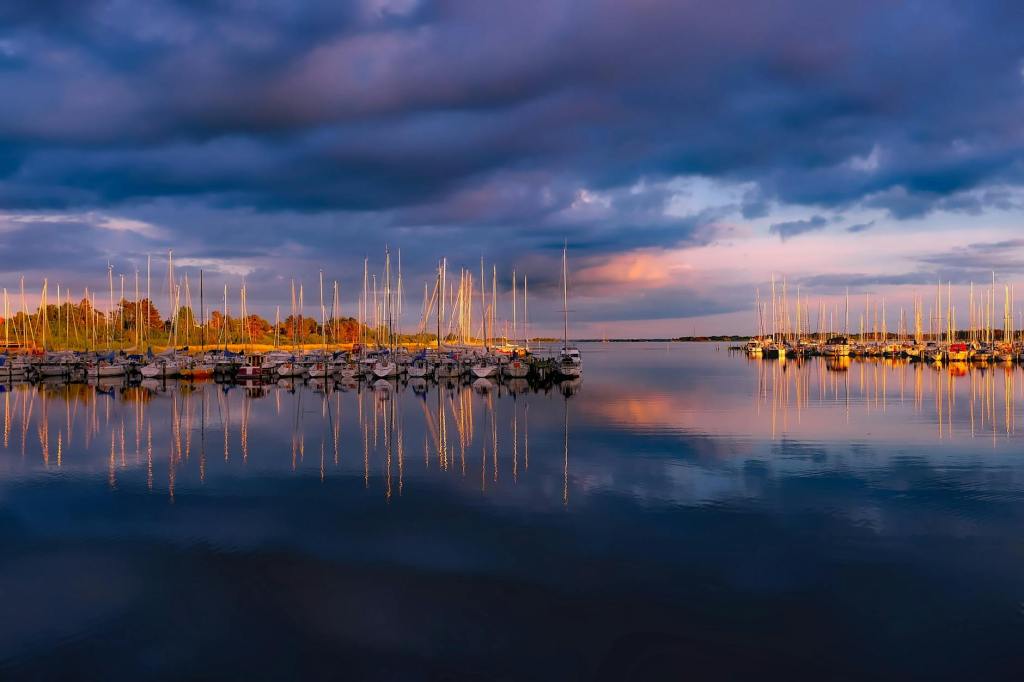
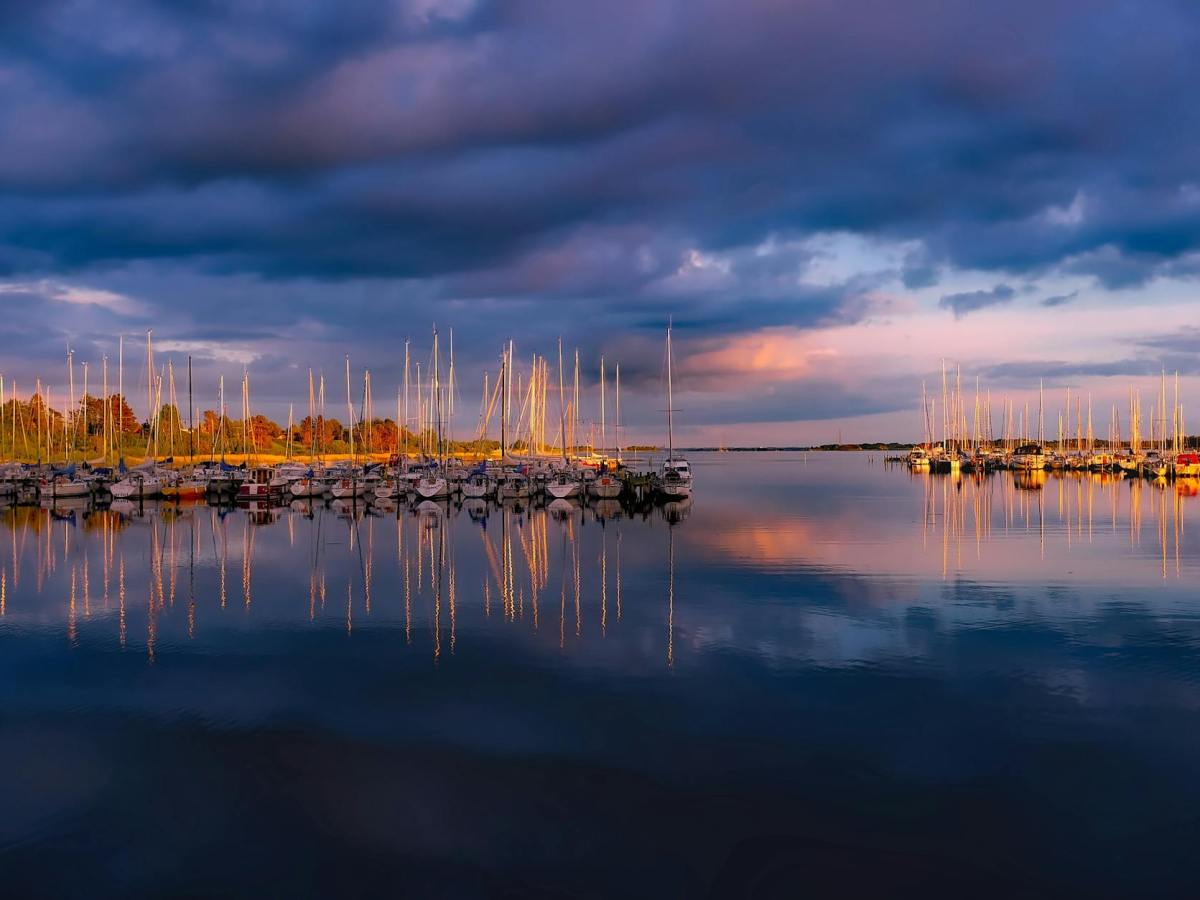
The water was flat. Not calm in the way you’d describe a lake on a warm afternoon, but flat in the way that only happens before the world remembers it’s supposed to move. I was anchored in a small inlet somewhere south of the Chesapeake, coffee going cold in my hand, watching the fog lift off the surface in slow, indifferent rolls. The boats in the slip behind me hadn’t stirred. The dock lines weren’t even taut. The whole scene had the quality of a held breath — the kind where you don’t know if something’s about to happen, or if everything already has.

I’ve had a few mornings like that on the water. You don’t go looking for them. They find you when you’ve finally stopped trying to manage the clock.

Sailing teaches you motion. The harbor teaches you something harder — restraint.

There’s an old idea in seamanship that the most dangerous sailor isn’t the reckless one. It’s the impatient one. The man who leaves on a bad tide because he’s tired of waiting. Who runs through a channel entrance in poor visibility because the schedule says he should be there by noon. The sea doesn’t care about your schedule. It never has. What it rewards is timing — real timing, not the kind that comes from urgency, but the kind that comes from watching long enough to understand what’s actually happening out there.

I didn’t learn this on the water. I learned it at Microsoft, of all places, and the harbor just confirmed it.

· · ·

In the 80s and 90s, speed was the product. Everyone was moving, everything was launching, the whole industry had a fever for it. If you weren’t shipping, you were losing. I believed that for a long time. I was good at it, even. I could execute fast, build fast, scale fast. What I was slower to understand was that speed and progress aren’t the same instrument. They just look alike from a distance.

There were initiatives we pushed through that should have waited — not because they were bad ideas, but because the conditions weren’t right. The market wasn’t ready. The organization wasn’t ready. We had the wind but the tide was still running against us, and we burned a lot of fuel trying to make up for that. The ones that worked — the ones I’m still proud of — those were the ones where someone had the discipline to say: not yet. Two of the hardest words in any room full of ambitious people.

Operational leaders are especially prone to this. We’re wired to solve problems, to remove friction, to move things forward. Stillness feels like failure. But I’ve come to believe that confusing speed with progress is one of the more expensive mistakes you can make, whether you’re running a product team or pointing a boat toward open water.

· · ·

When I left the corporate world in 2000, I thought retirement was about rest. I was wrong about that. Rest, it turns out, is just the first chapter. What comes after — if you’re lucky enough to sit with it long enough — is something closer to clarity.

The harbor is a good teacher for this. Not a gentle one. There’s real discomfort in being anchored when you want to sail. You second-guess yourself. You start reading the weather every twenty minutes hoping for a change you can justify. You invent reasons to go. And then, if you’ve made enough mistakes to know better, you put the binoculars down and you wait.

Stillness is not stagnation. One is chosen. The other happens to you.

That distinction took me years to see clearly. Stagnation is what occurs when you stop engaging with the world. Stillness is what happens when you engage with it deeply enough to know you’re not ready yet — or that the moment isn’t. There’s a version of mid-life that looks like giving up from the outside. From the inside, it looks like finally knowing which fights are worth having and which tides are worth fighting.

· · ·

That morning in the inlet, somewhere around the third cup of coffee, the fog lifted enough to show me the channel markers. The wind had shifted — not dramatically, but enough. I could feel it change the way you feel a room change when someone opens a window. Small, but real. The water had a bit of texture to it now, the kind that says something is happening beyond what you can see.

I pulled the anchor. Not because the clock said it was time, not because I was bored, not because I’d convinced myself the conditions were good enough. I pulled it because they actually were. The difference between those things is everything. You can feel it when you’ve spent enough time learning to wait — the moment the harbor releases you, not the moment you decide you’re done waiting.

That’s the only kind of departure worth making. Not the one the schedule demands. The one the morning earns.

The Race I Never Intended to Sail

I was standing at the bar of the Royal Bermuda Yacht Club when the offer came in. It was a classic “teak and steel” moment—one of those high-stakes pivots that remind me why I traded the air-conditioned boardrooms of Microsoft for the salt-sprayed unpredictability of the Atlantic.

The best systems aren’t just built on code—they’re forged in grit and tradition.

A navigator for a prominent crew had gone down with a fever, and they needed someone who could manage a complex system under pressure.

“Joe, we need your eyes on the charts,” the skipper said. I looked at the dark and stormy in my hand, then out at the reef-lined turquoise water. My background in building high-performing systems had taught me that whether you’re a fractional COO or a sailor, the fundamentals are the same: you mitigate risk, you optimize for speed, and you never underestimate the environment.

The race was a grueling sprint, a shorter but more intense version of the endurance tests I usually write about, like the Vendée Globe or the Sydney to Hobart. As we hit the open sea, the corporate logic faded, replaced by the primal pull of a hull slicing through waves.

We weren’t just racing other boats; we were managing the relentless pressure of the sea. By the time we crossed the finish line back in Hamilton, I realized that the best systems aren’t just built on code—they’re forged in grit and tradition.

Daily writing prompt
What makes you feel nostalgic?

$778 On a Single Meal

Yes, it was worth it.

It wasn’t for me, though I enjoyed the food.

It wasn’t for my ego, though I felt good doing it.

It was for 6 talented individuals who poured their work, heart, and energies into my Fractional COO business during the 2000s.

$778 to celebrate them was more than worth it.

Daily writing prompt
What’s the most money you’ve ever spent on a meal? Was it worth it?

Hello World, it’s Me, Joe the Writer

Welcome to the Workshop

Every journey, whether across an ocean or through a career, begins with a single point on a map. This website is that point for me, a new starting line. After decades spent building systems and guiding companies—first in the corporate halls of Microsoft and later as a fractional COO—I’ve set my sights on a different kind of construction: writing.

This site is my workshop. It’s where I’ll apply the same strategic mindset and craftsman’s eye for detail to the art of a good story. Here, we’ll explore the intersection of business and innovation, the lessons learned from a life in motion, and the timeless principles found in everything from a well-run company to a well-tuned sailboat.

You can expect honest reflections, purposeful analysis, and maybe a few good stories about the value of a strong anchor.

I’ve always believed that the best work, like the best voyages, is built to last. I’m glad you’re here. Let’s get to it.